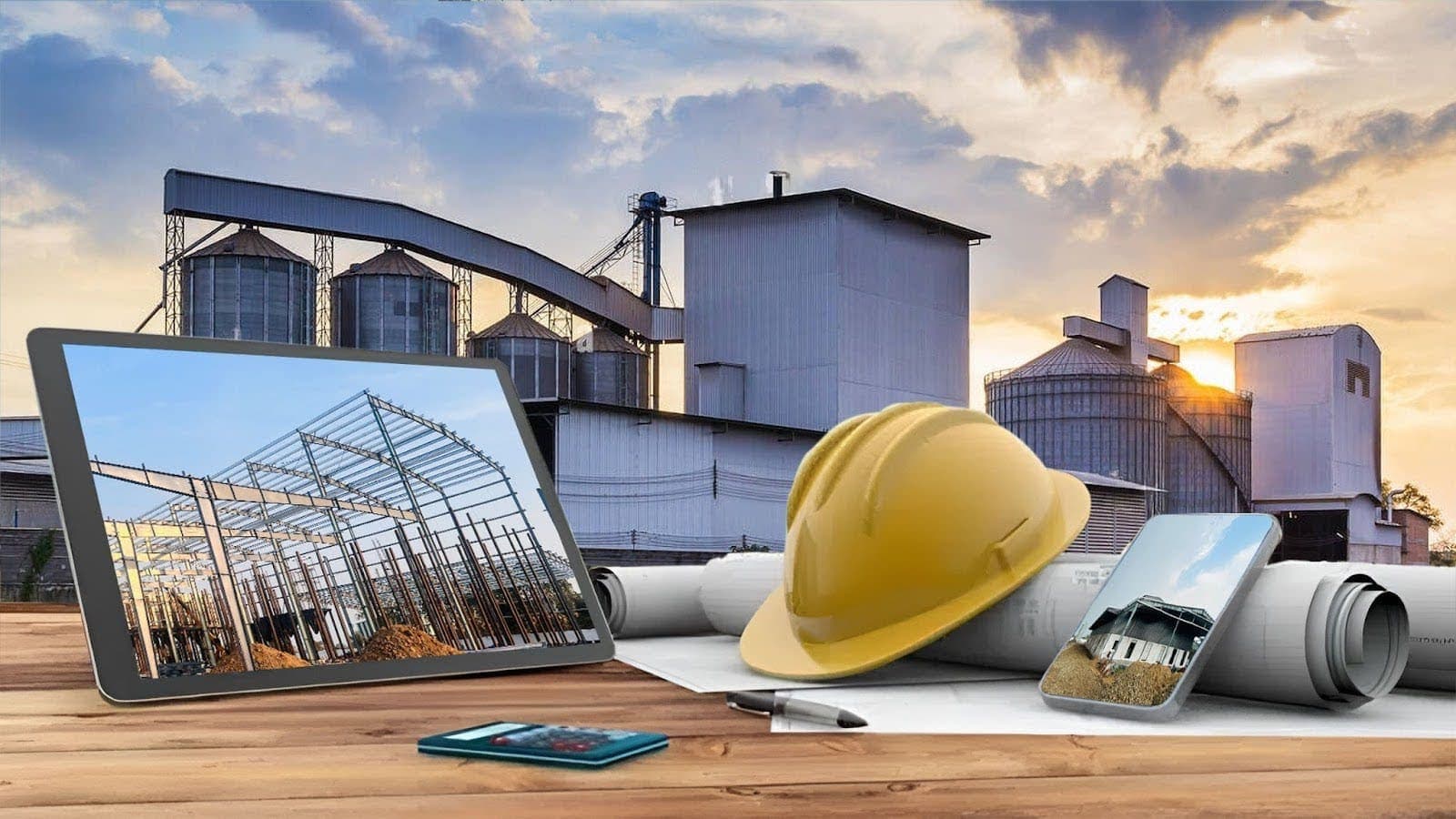
Steel Best for Prefab Warehouses Explained If steel is quite certainly the best choice of material for a prefabricated warehouse, then why is it so? Well, because it has great durability, cost-effectiveness, and speed of construction that wood, concrete, or aluminum do not possess.
Unmatched Durability & Strength Steel is known for its high strength-to-weight ratio, making it apt for such large structures as warehouses. While wood is subject to rotting, and concrete is prone to cracking, steel is unaffected by: All types of weather (snow, wind, rain) Fires and wood-destroying organisms (termite) Properly coated corrosion This high durability ensures that your warehouse stands for decades while requiring almost no maintenance. 2. Faster Construction Equals Lower Costs One thing quite clear is that steel components are prefabricated, and so the assembling is done in no time. In contrast, a brick-and-mortar project takes mo...onths compared to just a few weeks for steel-prefab warehouses. Time saved equals money saved: less labor costs, decreased downtime, and faster return on investment. 3. Cost-Efficient in the Long Run Steel may incur a higher initial cost than wood; however, its longer life and low maintenance make it cheaper to own. You will not do any of the following: Frequent repairs (like warping of wood) Pest control Higher insurance rates (since steel withstands fire) Hence steel makes a good business choice. Steel vs. Other Materials: A Comparative Analysis Steel Vs. Wood Wood, a more traditional option, fails for multiple reasons: Damage Prone: While wood rots, termites can invade it, requiring regular treatment. Fire Hazard: Prone to burning, thereby escalating insurance rates. Short Lifespan: Wood withstands variable weather conditions for about 15-20 years, with steel exhibiting at least a 50-year lifespan. Conclusion: For durability and low maintenance, steel has the upper hand. Steel Vs. Concrete Concrete has its strengths but other drawbacks include: Slow Construction: Concrete takes weeks to properly cure and delays the project. Higher Labor Cost: With the continued shortage of skilled labor, concrete requires even more. Cracking Trouble: Temperature changes create cracks over time. Conclusion: Steel does not take so long to erect and offers more flexibility for change. Steel Vs. Aluminum An option that weighs less than steel but is not good for warehouse use: Less Strong: Cannot support heavy loads like steel. Most Expensive: Has a higher cost than steel. Risks of Denting: Soft metal, relatively easier to damage. Conclusion: Steel will work better for structural integrity and the budget on your side. covewrt it in paragraph.